Reviewed Oct 4, 2026 · sources dated
How to sell Midjourney images: terms, stock sites and file prep
Yes, you can sell Midjourney images if you meet two sets of rules: Midjourney's terms of service and each marketplace's AI policy. Adobe Stock, Freepik/Magnific and 123RF accept AI images; Shutterstock does not. This is the checklist, reviewed on October 4, 2026.
Bring your Midjourney files: upscale, keyword and export in one app
- 1Create the image
- 2Own upscaler, up to 4x
- 3Title + keywords
- 4Upload to Adobe
- Upscale your own Midjourney files
- Title, keywords and CSV are free
- 2 images + 2 upscales to try
Plans from €49 a month, excluding VAT. This guide is not legal advice.
Last reviewed 2026-10-04
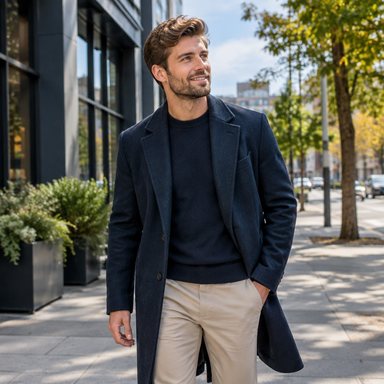
1.5 MP · under Adobe's 4 MP minimum
13.5 MP · 9x the pixels, well above 4 MP
Or at 4x: 6000 × 4000 px · 24 MP
- 3 + 1
- stock sites accept AI images: Adobe Stock, Freepik (Magnific Contributor) and 123RF, plus Dreamstime under 2023 terms (not confirmed for 2026)
- 3
- similar iterations at most per idea on Adobe Stock, while a Midjourney job usually returns four images
- 4 MP
- is Adobe Stock's minimum size. 123RF asks for 6 MP and Freepik for 2000 px per side
- No
- Shutterstock does not accept AI-generated content, per its policy page checked Oct 2, 2026
Can you sell Midjourney images? What Midjourney's terms say
If you are a paid member, the terms say you own your images. As quoted in the sources we checked on October 4, 2026, Midjourney's terms say you own all Assets you create with the Services to the fullest extent possible under the law, subject to the license you grant Midjourney.
If you are not a paid member, the license is non-commercial. The same sources quote Midjourney granting non-members its Assets under the Creative Commons Noncommercial 4.0 Attribution International License. That does not allow selling.
Larger companies need a higher plan. The terms say that if you work for a company with more than $1,000,000 USD in annual gross revenue, you must be subscribed to a Pro or Mega plan to own your Assets.
Owning the file under Midjourney's terms is not the same as a marketplace accepting it. Each marketplace has its own AI rules, and whether AI images can be protected by copyright is a separate legal question that this page does not cover.
Which stock sites accept Midjourney images?
Midjourney images are AI images, so a site's AI policy decides. Checked against official help pages on October 2, 2026.
| Stock site | Accepts AI? | What it means for your Midjourney files |
|---|---|---|
| Adobe Stock | Yes | Tick “Created using generative AI tools”; max. 3 iterations of similar assets; 4–100 MP JPEG sRGB |
| Freepik (Magnific Contributor) | Yes | AI button or “_ai_generated” tag in the CSV; 2000–10000 px per side; photos at least 1.5 MB; 5–50 keywords in English |
| 123RF | Yes | Only in the “AI Generated Images” category; min. 6 MP; no names of real people, places or brands |
| Dreamstime | Yes, with conditions | Say it is AI in the description; generated faces only with a model release you can provide. Check its current page |
| Shutterstock | No, per the data we have | Contributors may not submit AI-generated content (policy page, Oct 2, 2026) |
| Alamy and iStock / Getty Images | No | Neither accepts AI-generated images |
All sites, with labels and limits, in stock sites that accept AI images.
What are Adobe Stock's rules for Midjourney images?
Adobe Stock says it “accepts generative AI images, vectors, and videos that meet current submission standards.” Four rules matter most for Midjourney users. The full list is in Adobe Stock AI generated requirements.
Label. Tick “Created using generative AI tools” on every file. If a fictional person looks real, also tick “People and Property are fictional”. If the image is based on an identifiable person, you need a model release.
Prompts without artists or brands. Adobe forbids the names of artists, real people, fictional characters, copyrighted works and third-party IP in prompts, titles and keywords, and warns of content removal or account termination. A prompt that says “in the style of” a living artist is a problem even if the title is clean.
Three iterations at most. A Midjourney job usually returns four variations of one idea. Adobe asks for “a maximum of three iterations of similar assets” and no multiple versions of the same prompt, so pick the best one or two.
Check the tool's license. Adobe asks contributors to review the license of the AI tool they used and says it doesn't advise on third-party tools. For Midjourney, that means the terms summarized above and your plan.
How to prepare Midjourney images for stock sites
- 1Pick the best and drop the near-copiesKeep one or two images per idea. Variety sells better than volume of near-duplicates, and Adobe caps similar iterations at three.
- 2Review at 100% zoomCheck hands, faces, garbled text, logos and odd shadows. Adobe rejects anatomical errors, embedded text and render artifacts.
- 3Upscale to clear the minimumAdobe needs 4 MP and 123RF 6 MP. Measure your file with the image resolution checker, then follow how to upscale Midjourney images. Upscaling is allowed as long as it doesn't degrade quality.
- 4Export JPEG in sRGBAdobe wants JPEG with an sRGB profile, up to 45 MB, with no borders. PNG is only for transparent-background content.
- 5Write a title and keywords without protected namesA title and 5–50 keywords on Adobe; the first 10 carry the most weight. Describe the picture, not the prompt. See stock photo metadata.
- 6Label it as AI and submitUse each site's AI label, then upload. Adobe reviews every file, and acceptance is never guaranteed.
Mistakes that get Midjourney images rejected
- Uploading to Shutterstock, Alamy or iStock, which don't accept AI.
- Submitting the whole four-image grid instead of one or two picks.
- Leaving artist or “in the style of” names in the title or keywords.
- Files under the minimum size, or enlarged with a tool that leaves halos or plastic skin.
- Missing or wrong AI labels.
- Garbled lettering, logos or watermarks left in the picture.
Where Stock Creatives fits into a Midjourney workflow
Stock Creatives is our product, and it does not replace Midjourney: you keep making images there. You then upload your files to Stock Creatives, upscale them to 2x, 3x or up to 4x with our own upscaler, and get a title of up to 70 characters, up to 49 keywords and the Adobe Stock CSV, which don't use credits. An automatic check flags hands, text and logos.
Stock Creatives uploads your finished images, with title and keywords inside, to your Adobe Stock account; you submit them for review in Adobe's portal. Plans are on the pricing page.
- Upscale files made anywhere
- Title, keywords and CSV free
- Check for hands, text and logos
1.5 MP · under Adobe's 4 MP minimum
13.5 MP · 9x the pixels, well above 4 MP
Or at 4x: 6000 × 4000 px · 24 MP
What if you don't want to sell on stock sites?
Etsy and print-on-demand services are other routes. We have not verified their current AI policies, so we don't summarize them here. Our guide to where to sell AI art compares the routes, and the microstock guide explains how licensing works.
Frequently asked questions
Can you sell Midjourney images?+
Yes, if your Midjourney plan allows it and the marketplace accepts AI images. As quoted in the sources we checked on October 4, 2026, paid members own their Assets; non-members get a non-commercial license. Read the current terms in your account.
Can I sell Midjourney art on Adobe Stock?+
Yes. Adobe Stock accepts generative AI images that meet its standards, with the “Created using generative AI tools” box ticked, no artist or brand names, and at most three iterations of similar assets.
Can I sell Midjourney images on Shutterstock?+
No, according to the data we have. Shutterstock's policy page, checked on October 2, 2026, says contributors may not submit AI-generated content for licensing.
Do I need a paid Midjourney plan to sell my images?+
According to the terms as quoted in our sources, yes: non-paid members receive a non-commercial license. If your company earns more than $1,000,000 a year, you need a Pro or Mega plan. Confirm in the current terms.
Can I use artist names in my Midjourney prompts if I sell on Adobe Stock?+
No. Adobe forbids artist names, real people, fictional characters and third-party IP in prompts, titles and keywords, and warns violations can lead to content removal or account termination.
Do I need to upscale Midjourney images for stock?+
Usually yes, if the file is under the site's minimum: 4 MP on Adobe Stock, 6 MP on 123RF, 2000 px per side on Freepik. Check the size first; upscaling is allowed as long as it doesn't degrade quality.
Can I try Stock Creatives with my Midjourney files for free?+
Yes. Confirm your email to get 2 images and 2 upscales to try, and upscale a file of your own. No card is needed.
Sources
- Midjourney: Terms of Service (page returned HTTP 403; wording read from the secondary source below) · 2026-10-04
- Terms.law: Midjourney commercial use policy (legal analysis quoting the terms; not Midjourney's own page) · 2026-10-04
- Adobe Stock: Generative AI content guidelines · 2026-10-02
- Adobe Stock: Generative AI FAQ · 2026-10-02
- Freepik / Magnific Contributor: AI generated resources, general guidelines · 2026-10-02
- 123RF: Guidelines for AI generated content (updated 2023-12-21) · 2026-10-02
- Shutterstock: Content policy updates, AI-generated content · 2026-10-02
Keep reading
How to upscale Midjourney images (and other AI art) for stock
Upscale Midjourney images and other AI art: Midjourney's own output sizes (checked Oct 2026), how to upscale to 2x, 3x or 4x, and what stock needs.
Where do I sell my AI art? Platforms, rules and how to prepare it
Where to sell AI art in 2026: stock sites that accept AI, Etsy and print-on-demand, their rules, licensing basics and how to prepare your files.
Stock photo sites that accept AI generated images: the 2026 list
Stock photo sites that accept AI generated images in 2026: Adobe Stock, Freepik, 123RF, Dreamstime, Shutterstock and more, with labels, limits and sources.
Adobe Stock AI generated requirements: every rule, in one checklist
Adobe Stock AI generated requirements (2026): the AI label, fictional people box, model releases, prompt rules and the 3-iteration limit, with a checklist.
How to upscale an image for Adobe Stock so it passes review
Upscale an image for Adobe Stock step by step: the 4 MP minimum, a safe 6–16 MP target, what causes refusals and a worked 3x example (13.5 MP).
Stock photo metadata: titles, keywords and what each site reads
Stock photo metadata explained: what Adobe Stock and Freepik ask for titles and keywords, embedded IPTC/XMP vs CSV, and how to check and write yours.
Get your Midjourney files stock-ready
Upload your own files, upscale them and get title, keywords and CSV. 2 images and 2 upscales to try when you confirm your email. No card needed. Acceptance is up to each site's reviewers.
Try it free